The Renter Liquidity Gap
Author: Janine Steiner Jovanovic
August 12, 2026
“Me and my mom have been homeless for two years and the biggest problem is saving for a security deposit and move-in fees.”
“I just started working so I will be able to cover my $1,500 rent. I just need to get the ball rolling.”
“I’m a disabled veteran with guaranteed income and excellent rental history.”
These are just a sampling of the unsolicited messages that flood LeaseLock’s inbox from renters seeking assistance with security deposits. These messages come from individuals in vastly different circumstances – a mother and child cycling through homelessness, a new worker finally earning steady pay, a disabled veteran with guaranteed income and a clean rental record – yet they share the same painful obstacle.
The baseline cost of securing and maintaining a rental home in the United States has grown into a substantial financial hurdle for American families. This is not a small or isolated problem: the thousands of unsolicited inquiries we receive from hopeful individuals proves that.
These financial strains deepen housing insecurity, prolong homelessness, and force families into impossible trade-offs between securing an apartment and paying for basic essentials like food or medicine. While this housing barrier is widespread, it is fundamentally solvable.
22.7 million US renter households (49%) are officially cost-burdened, spending more than 30% of their income on housing. This strain stems from a widening income gap. While median rents have risen 21% in inflation-adjusted terms since 2001, median annual income has risen just 2% during the same period. Recent price increases in non-discretionary consumer goods compound this issue.¹
Security deposits demand a high allocation of cash upfront, yet the majority of renters operate with limited cash reserves. 37% of U.S. adults lack the immediate resources to cover a basic $400 emergency expense using cash or its equivalent.² Reflecting these tight household margins, delinquency pressures have risen, leaving 23% of all U.S. renters behind on rent at least once over the previous year, a metric that increased by approximately 6 percentage points between 2021 and 2025.³
The friction points of housing affordability are most acute during the physical relocation process, where upfront capital demands collide with structural timing delays. JCHS data indicates that standard lease requirements (first month’s rent, a security deposit, and associated fees) can require roughly $3,600 in upfront capital at typical national rent levels.⁴ Beyond the transaction itself, the actual cost of moving adds more burden.
This financial barrier is exacerbated by a refund disconnect inherent in relocation. Renters rely on the return of their previous security deposit to fund their next move, but must pay a new security deposit before the refund clock on their old unit is triggered. Recovering a security deposit remains a top concern for renters today.⁵
While macroeconomic indicators capture the scale of market pressure, consumer data illustrates how this friction translates into real-world behavior.
In Fannie Mae’s recent renter survey, affording up front costs was reported by renters as their #1 most frequently experienced pain point, with 81% citing the security deposit as the primary issue.⁶
NMHC surveyed over 1 million residents across 4,220 communities and 77 distinct markets. In their recent study, 69% of renters reported that security deposit alternatives are important to their financial health.⁷
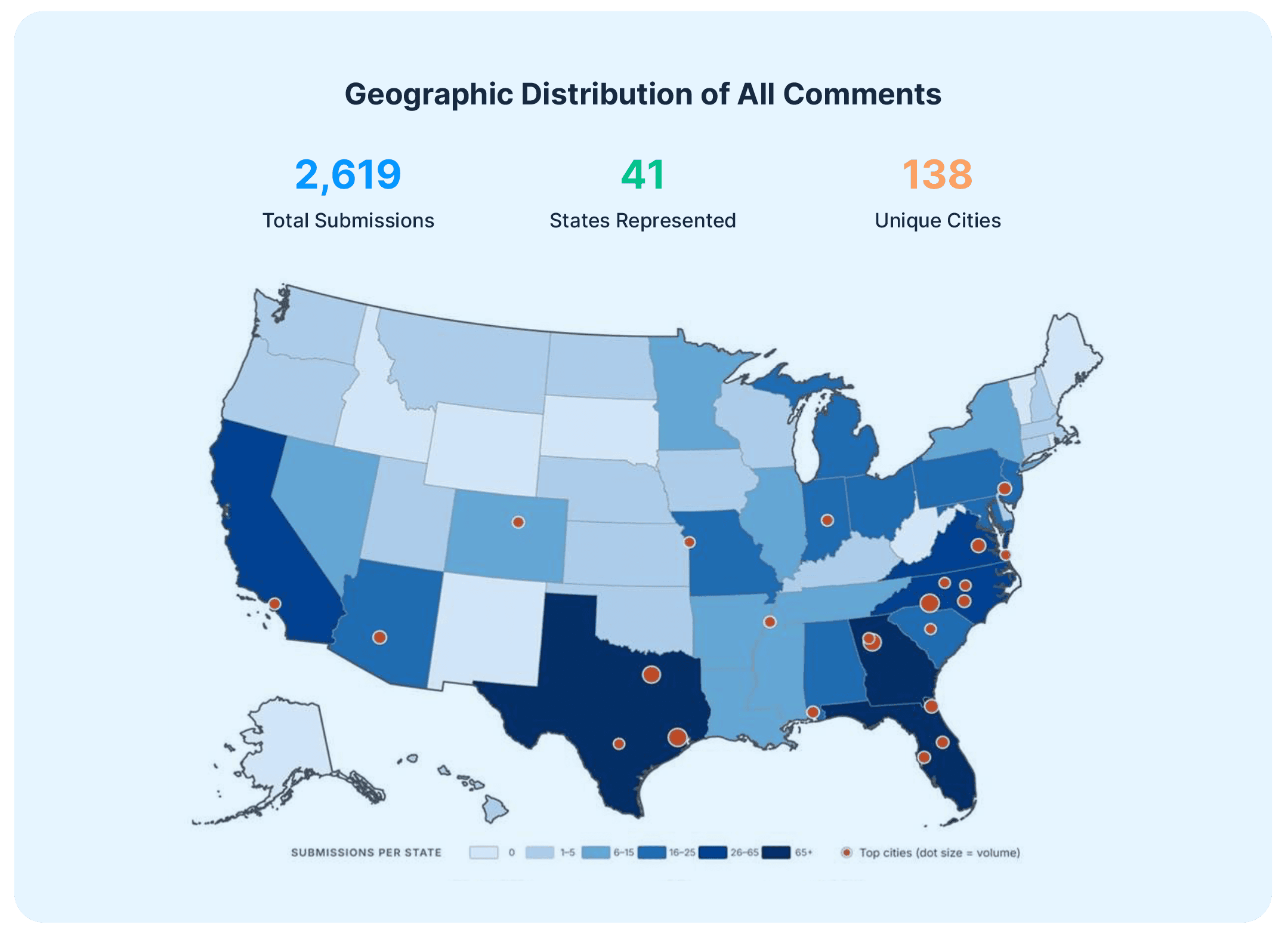
In addition to the NMHC and Fannie Mae research, thousands of unsolicited, consumer inquiries were submitted on the LeaseLock website over an 18-month period (late 2024 through June 2026) validating the systemic nature of the liquidity gap. Renters are actively seeking structural relief from upfront cash burdens and want a security deposit alternative to obtain housing.
When independent macroeconomic metrics are mapped against ground-level renter feedback, the conclusion is unequivocal: the security deposit architecture is misaligned with the financial realities of the modern rental market.
The average cost of relocating is mathematically incompatible with a population where 49% of households are rent-burdened and median renter liquid savings is $1,800, with low-income renters at just $300.⁸
LeaseLock’s inbound renter inquiries suggest the prevalence of qualified renters being blocked from housing due to liquidity constraints. Market demand for an alternative to the security deposit is active and consumer-driven.
The cost of renting a home is an affordability issue that cannot be solved solely by legacy methods. Private sector solutions are needed. When lease insurance coexists alongside security deposits, move-in requirements are aligned with actual household cash position, providing renters with immediate housing access while maintaining the protections properties require.

The industry is being redefined by persistent affordability challenges, a housing shortage, and rapid technological advancement. Executive Outlook is a forum where we explore the forces shaping rental housing and provide the intelligence needed to navigate the future.